

A portfolio is a curated collection of your best work, projects, and achievements that visibly proves your qualifications. If you want a short answer to "what is a portfolio," it is not a list of skills stated in words — it is proof in action: real projects, results, and examples that let a client or employer judge your level before the first conversation.
In this guide we explain why you need a portfolio, what it should include, who can't do without one, and the main types of portfolio. If you are just starting your career or have finally decided to organize your work, start here.
What Is a Portfolio: A Precise DefinitionA portfolio is an organized collection of work that demonstrates your competencies, style, and experience in a specific field. Unlike the promises in a resume, a portfolio shows the result: a finished design, a working app, a published article, or an ad campaign with real numbers.
The core idea is simple — people trust what they can see. A portfolio moves you from saying "I can do this" to showing "here is what I made." That is why it became a standard in creative and IT professions and is steadily spreading to other fields.
What a Portfolio Should IncludeA strong portfolio is not a dumping ground for everything you have ever done — it is a carefully selected showcase. The basic set of elements looks like this:
- A selection of projects — 5–10 of your best cases, not everything you have ever touched.
- A description of each case — the task, your role, the solution, and the result.
- Visual material — screenshots, mockups, links to live projects or repositories.
- Context and results — what changed because of your work (metrics, feedback, numbers).
- About you — a short bio, skills, contacts, and links to your profiles.
The guiding principle is that quality beats quantity. Three deeply described cases beat twenty with no explanation.
Why You Need a PortfolioThe question "why you need a portfolio" has several answers, and they all come down to trust and opportunity:
- It proves your qualifications without words. A client instantly sees your level.
- It sets you apart from competitors. With equal resumes, the one who showed their work wins.
- It saves time in negotiations. Many questions disappear before the interview.
- It works 24/7. An online portfolio is found in search while you sleep.
- It captures your growth. You can see how your work has evolved over time.
For a freelancer, a portfolio is often the main tool for attracting clients. For an employed professional, it is an argument at an interview and during a promotion review.
Who Needs a PortfolioA portfolio was once considered something only artists kept. Today a far wider circle needs one:
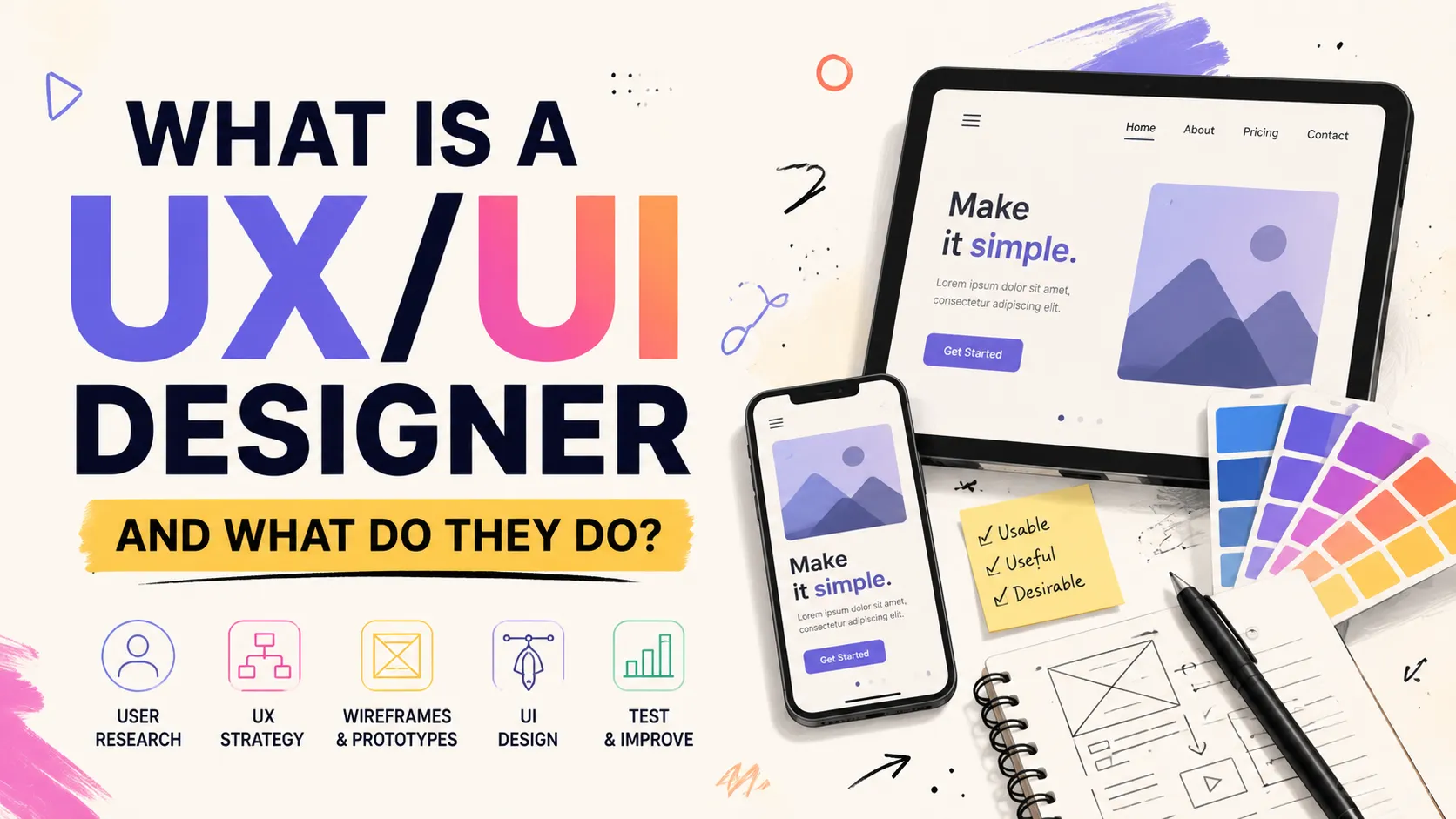
- Designers (UX/UI, graphic, motion) — the visuals speak for themselves.
- Developers — code, pet projects, open-source contributions.
- Copywriters and authors — publications, texts, content cases.
- Marketers — campaigns, funnels, results expressed as metrics.
- Beginner students — coursework and personal projects in place of work experience.
If you don't have commercial work yet, you can build a portfolio from coursework, personal experiments, and pet projects. That is a perfectly valid and effective start.
Types of PortfolioThere are several formats, and it often makes sense to combine them. The main types of portfolio are:
- An online profile on a platform — the fastest way to start: you fill in a profile, add projects, and get found in search. No need to build a website or pay for hosting.
- A personal website — full control over design and brand, but it takes time and skills.
- A PDF portfolio — convenient for emailing or attaching to an application; static but universal.
- A profile on a specialized site — Behance for designers, GitHub for developers, where the target audience already gathers.
For most professionals the optimal combination is a profile on a platform plus a PDF version for offline sending.
Portfolio vs Resume: What's the DifferenceThese are different tools that complement each other rather than replace one another:
- A resume (CV) is a short list: where you worked, what you studied, which skills you have. It tells.
- A portfolio is the proof: concrete work with results. It shows.
A resume answers "who are you," a portfolio answers "what can you actually do." An employer reads a resume in 10 seconds and then turns to the portfolio to make a decision. So the ideal approach is to have both documents and to link your portfolio directly from your resume.
How a Portfolio Helps Your Career and ReputationA portfolio is an asset that works on your reputation for years. It shapes your personal brand: when clients, recruiters, and colleagues see your work, you become recognizable in your niche. A regularly updated portfolio shows that you are active and growing.
Over time a good portfolio starts to bring opportunities directly to you: people recommend you, prospects reach out with offers, and rate negotiations get easier because your value has already been proven visually.
Where Portfolios Live OnlineIf you are looking for where to publish your work, focus on platforms with a built-in audience and good search visibility:
- Behance — the flagship for designers and creatives.
- Dribbble — a community for UI/UX and graphic designers.
- GitHub — code and projects for developers.
- Awwwards — a showcase of the best websites.
- LinkedIn — a professional profile with links to your work.
It is also worth having your own page or a profile on a dedicated platform — that way you don't depend on a single service and you control how you are seen.
FAQWhat is a portfolio in plain terms? It is a collection of your best work with explanations that visibly proves what you can do. In plain terms, it is your "showcase" of achievements for clients and employers.
Why you need a portfolio if you already have a resume? A resume talks about you, while a portfolio shows the result of your work. Employers and clients trust proof more than a list of skills, so a portfolio often becomes the deciding factor.
What are the types of portfolio? The main types of portfolio are: an online profile on a platform, a personal website, a PDF document, and a profile on a specialized site. They are most often combined depending on your goal.
Ready to build your own portfolio?- Learn how to make a portfolio: https://searchtalent.dev/en/articles
- Browse projects: https://searchtalent.dev/en/projects
- Find talent: https://searchtalent.dev/en/talents